
DISC is one of the most widely used behavioral tools in the workplace. But here’s something most people don’t know: Not all DISC assessments are the same.
Even though DISC assessments all use the same theory, the results between the tools can be very different.
What Is DISC Based On?
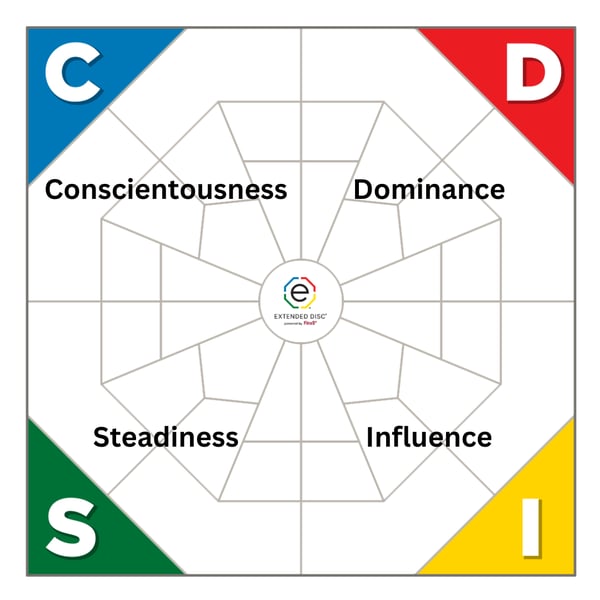
DISC comes from the work of psychologist William Moulton Marston in the 1920s. It focuses on four behavioral styles:
This theory is public domain, which means no one company owns it. Because of that, many organizations have created their own DISC assessments.
My Experience With DISC (And What Changed My Perspective)
Before joining Extended DISC, I had been facilitating DISC in leadership training for over 20 years. And honestly, I had no idea DISC was public domain.
Like many people, I assumed all DISC tools were basically the same. But something always felt off. I pushed for answers, but could never find them. The consultants I worked with would just send me back to Marston.
Likewise, my participants would frequently push back on their results. They would say:
- “That doesn’t feel like me.”
- “I don’t see myself that way.”
At the time, I thought they just didn’t understand the model. Now, I know better.
The Moment Everything Clicked
When I interviewed with Extended DISC, I learned something I had never heard before: No one owns DISC.
I remember thinking: “I want to work here. That’s the first time in 20 years I've received a clear answer.”
That moment changed how I saw everything.
Why DISC Assessments Can Be So Different
Here's what I have come to learn. Even though the theory is the same, each DISC provider builds their own system. That includes:
- The questionnaire
- Scoring methods
- Algorithms
- Reports and tools
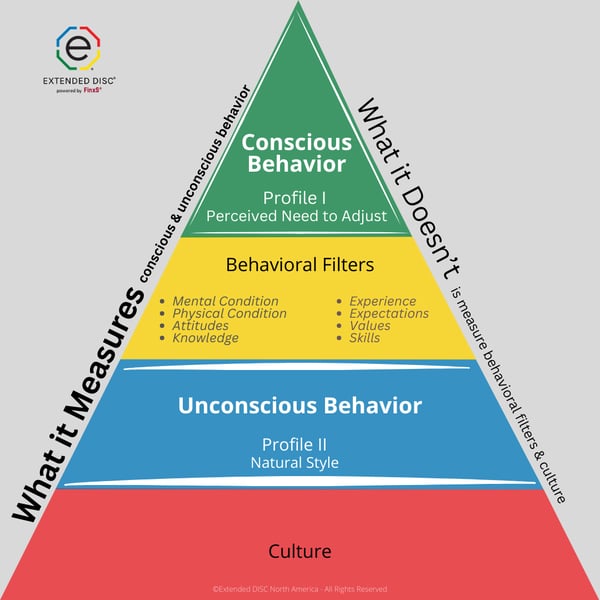
So while the labels may look familiar, the results can vary a lot. Some tools measure how people think they should behave. Extended DISC measures how people naturally behave. That difference matters. Especially when you are the one standing in front of the room explaining the results to participants.
The Biggest Issue: Bias in DISC Assessments
Many DISC assessments include built-in bias. They ask questions in a way that leads people toward “better” answers. For example:
- The answer that sounds more professional
- The answer that fits their role
- The answer they wish were true
Instead of showing natural behavior, the results reflect an ideal version of the person.
Why Reducing Bias Matters
When bias is reduced, the results become much more useful. Here’s what improves:
1. More Accurate Behavior Insights: You see how someone naturally acts; not just how they think they should act. You learn how people prefer to:
- Communicate
- Make decisions
- Work day to day
2. Clear Insight Into Stress and Adaptation: People often adjust their behavior at work. When you can see the difference between natural and adapted styles, you can better understand:
- Where someone is stretching
- Where stress may show up
3. Better Coaching and Development: Real growth starts with real data. When you understand natural behavior, you can:
- Build on strengths
- Make practical changes
- Avoid forcing personality shifts
4. Stronger Team Communication: When bias is high, many people end up with similar-looking profiles. But when bias is reduced, real differences show up. That helps teams:
- Communicate better
- Understand each other
- Work more effectively
5. Better Hiring and Role Fit: Accurate insights help you match people to roles where they will naturally succeed. This improves:
- Performance
- Engagement
- Long-term fit
How Extended DISC Is Different
Extended DISC is designed to reduce bias. Instead of asking people to judge themselves, it focuses on natural response patterns. It uses:
- A proprietary questionnaire
- Advanced statistical algorithms
- Years of refinement
While DISC theory is public, Extended DISC®’s tools and models are not.
What I See Today
Now, after years of working with Extended DISC, the difference is clear. I rarely have participants disagree with their results. Instead, I hear:
- “That’s exactly me.”
- “This really fits.”
- "Yes, that behavior takes me more energy; but I can do it!"
That’s when you know the assessment is working.
Natural Behavior vs. Ideal Answers
Here’s the bottom line: If an assessment captures who someone thinks they should be, the results may look good—but they won’t be very useful. When it captures natural behavior, the insights become practical. That’s when you can actually use the tool for:
- Coaching
- Communication
- Team performance
Final Thoughts
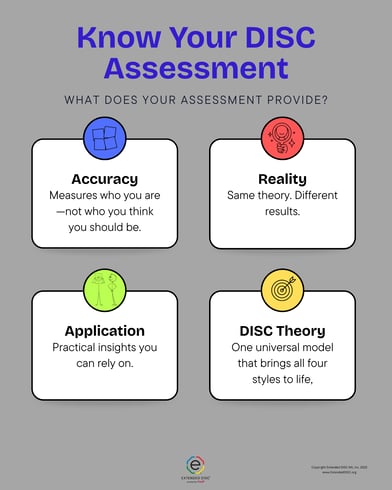
DISC is a powerful tool—but only if it’s accurate. And accuracy depends on how the assessment is built. Not all DISC assessments are created equal.
The ones that reduce bias and focus on natural behavior deliver insights you can actually use.
Want to see the difference a more accurate DISC assessment can make?
Learn more about Extended DISC or request a sample report.