
Do your team interactions feel harder lately? By mid-year, motivation and energy drop, and communication loses momentum. How can DISC help your team rebuild it?
This often happens because people don't adjust their behavior to work effectively with others.
DISC behavioral styles offer a way to understand what’s happening beneath the surface and make small adjustments that improve interactions.
The good news? You don’t need to reset your goals—you need to reset how you are working together.
Why Teams Lose Momentum
Teams may not struggle because they lack direction. They lose energy because people tend to fall back on their most comfortable behavioral styles.
Are you noticing frustration with understanding emails, a drop in motivation in meetings, or more misunderstandings between team members?
DISC provides a clear framework for identifying these patterns. When behavior becomes visible, it becomes easier to adjust.
How DISC Helps Re-Engage a Group
DISC shifts the focus from “What’s wrong?” to a more useful question: "What does our team need right now to stay productive?"
Understanding how styles are distributed within a group can explain why some interactions work well while others fall flat. Tools such as a team map can help illustrate these patterns and make it easier to identify and respond in real time.
When you focus on how people interact—not just what they’re working on—you create momentum. Now you can make strategic adjustments with real impact.
Re-Engaging Different DISC Styles
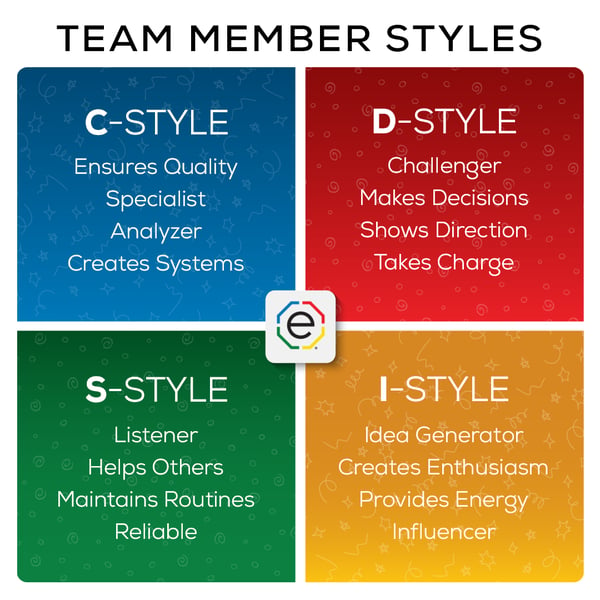 As energy changes throughout the year, different styles respond in different ways. We can also fall back into our most comfortable ways of doing things because we don't think about it, and it takes less energy. Recognizing these shifts helps you adjust naturally.
Your D-styles may disengage when the pace slows down, or goals feel unclear or not personal. They respond positively to a faster pace, focused outcomes, and individual opportunities. A simple reset often comes from simplifying the message and focusing on how results benefit them.
I-styles often lose motivation when interaction drops or when work feels repetitive. They respond well to open discussion, collaboration, and a more positive, engaging tone. Even small moments of interaction can shift the energy in the room.
Your S-styles can withdraw or be more hesitant when things feel rushed or uncertain. They respond well to clear structure, steady pacing, and personal support. Taking time to outline expectations or check in can help them re-engage.
C-styles may pull back when information feels unclear or unorganized. They respond well to clear explanations, logical steps, and time to process. Providing a bit more detail—or allowing time to think and ask questions—can bring them back into the conversation.
Adjusting Communication in the Moment
One of the most effective ways to shift engagement is through communication.
Practice situational awareness by paying attention to what’s happening in your interactions. Is the pace too fast or too slow for the other person? Are emails succinct and action-oriented to D-styles while detailed and logical to your C-styles? Are there times it is better to call a group meeting rather than send an email so the group can discuss and interact?
What is your team's style and where could you make a simple adjustment? Small, consistent changes—like shifting your tone, adding a quick activity, or pausing for reflection—can create a quick energy reset.
Visual tools or simple group insights can also help guide these adjustments, especially when patterns aren’t immediately obvious.
3 Simple Ways to Reset the Group
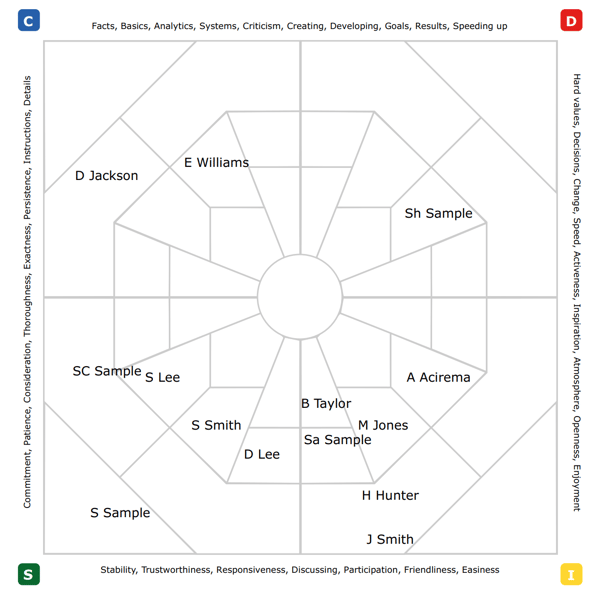 At the end of the day, you don’t need to overhaul your approach. Small, consistent adjustments can make a big impact:
- Start by reminding everyone that people have different behavioral preferences by using the Team's DISC Map.
- Adjust the delivery by changing how you communicate to better match the group.
- Shift the interaction by adding discussion, pausing for reflection, or varying the format.
- Ask your team members how they prefer interactions to take place (e.g., a phone call vs. an email).
These small changes often have an immediate impact.
Common Pitfalls to Watch For
When energy drops, it’s easy to fall back on familiar habits.
Common challenges include moving faster rather than adjusting, over-explaining without checking engagement, relying on a single communication style, or missing cues from quieter participants. In those moments, it's easy to forget that others have different communication preferences and assume they communicate the same way we prefer to.
DISC helps you step back and respond more intentionally.
Why Behavior Matters More Than Content
Most groups don’t need new information—they need a better way to apply it. DISC provides a way.
When people feel understood, receive information in a way that fits them, and have space to contribute, participation increases, and outcomes improve.
A Simple Reset
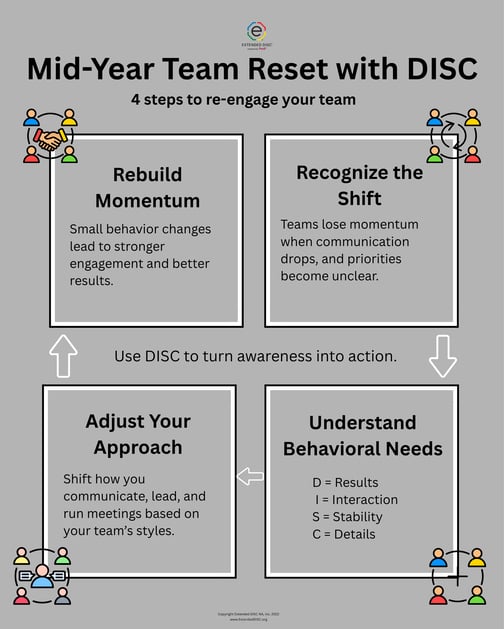 Mid-year is a natural point to pause and adjust. If your team needs a quick reset, start with these four simple steps. Even small adjustments in how people communicate and work together can make a big difference.
- Recognize the shift - teams lose momentum when communication drops, and priorities become unclear.
- Understand behavioral needs:
- D = Results
- I = Interaction
- S = Stability
- C = Details
- Adjust Your Approach - shift how you communicate, lead, and run meetings based on your team's styles.
- Rebuild Momentum - small behavioral changes lead to stronger engagement and better results.
You don’t need to do more—you need to do things differently.
DISC provides a practical way to read the room, make intentional adjustments, and keep people engaged. With a bit more awareness and a few small shifts, you can help any group regain focus, energy, and direction.